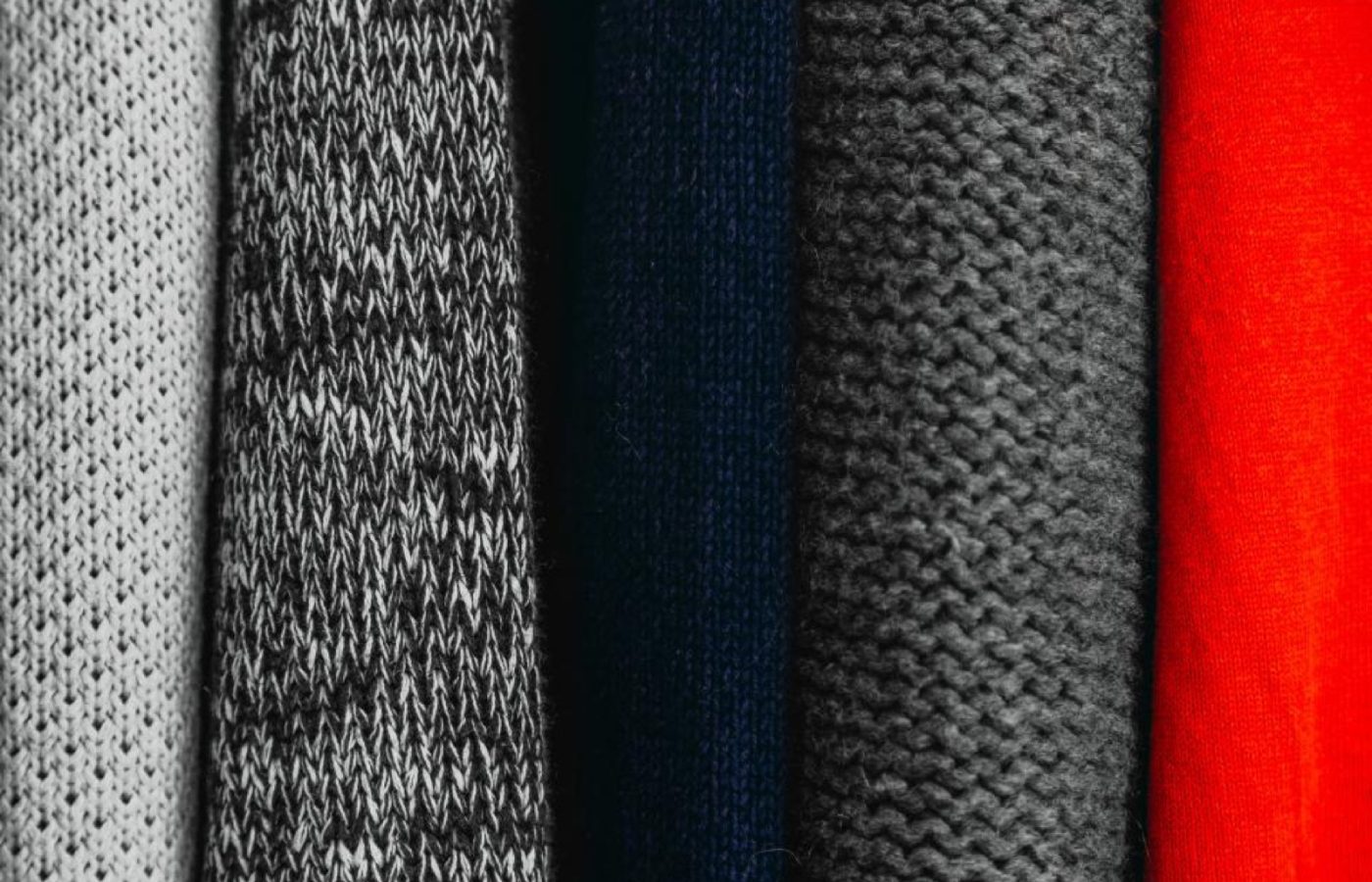
Merino wool comes from the merino sheep, a breed known for growing unusually fine fibres. Where ordinary wool can feel scratchy against bare skin, merino fibres are thin enough to bend away from the skin rather than poke into it, which is why the fabric has become a favourite for base layers, socks and everyday T-shirts.
What makes merino different
Fibre diameter is measured in microns. Most merino used for clothing worn next to the skin falls somewhere between about 16 and 21 microns, and the lower the number, the softer the hand feel. Coarser wools used for rugs and outerwear are considerably thicker. If a brand lists the micron count, it is a useful shortcut for judging comfort.
Merino also manages moisture well. Wool fibres can absorb water vapour into their structure before the fabric feels wet, so a merino layer tends to feel drier and warmer during changing activity levels than many synthetic fabrics. It is also naturally slow to hold on to odour, which is why many travellers wear merino tops for several days between washes.
Fabric weights
Base layers are often described by fabric weight in grams per square metre (gsm):
- Around 150 gsm or lighter – thin and breathable, suited to warm-weather travel or high-output activity.
- Around 200 gsm – a versatile middle weight for cool days and three-season use.
- 250 gsm and above – warmer layers for cold, low-activity days.
Blends and durability
Pure merino is comfortable but can wear through at elbows and cuffs faster than synthetics. Many manufacturers blend merino with nylon, either mixed into the yarn or wrapped around a nylon core, to improve abrasion resistance. A small percentage of elastane adds stretch and helps garments keep their shape.
Caring for merino
Most modern merino garments can be machine washed on a gentle wool cycle in cool water. Avoid fabric softener, which coats the fibres, and dry the garment flat or on a line rather than in a hot dryer. Storing clean garments in a sealed bag helps protect against moths.
Who it suits
Merino base layers suit anyone who wants a comfortable, low-odour layer for travel, hiking, skiing or commuting. Those on a tight budget, or who need maximum durability for rough work, may still prefer a good synthetic layer.