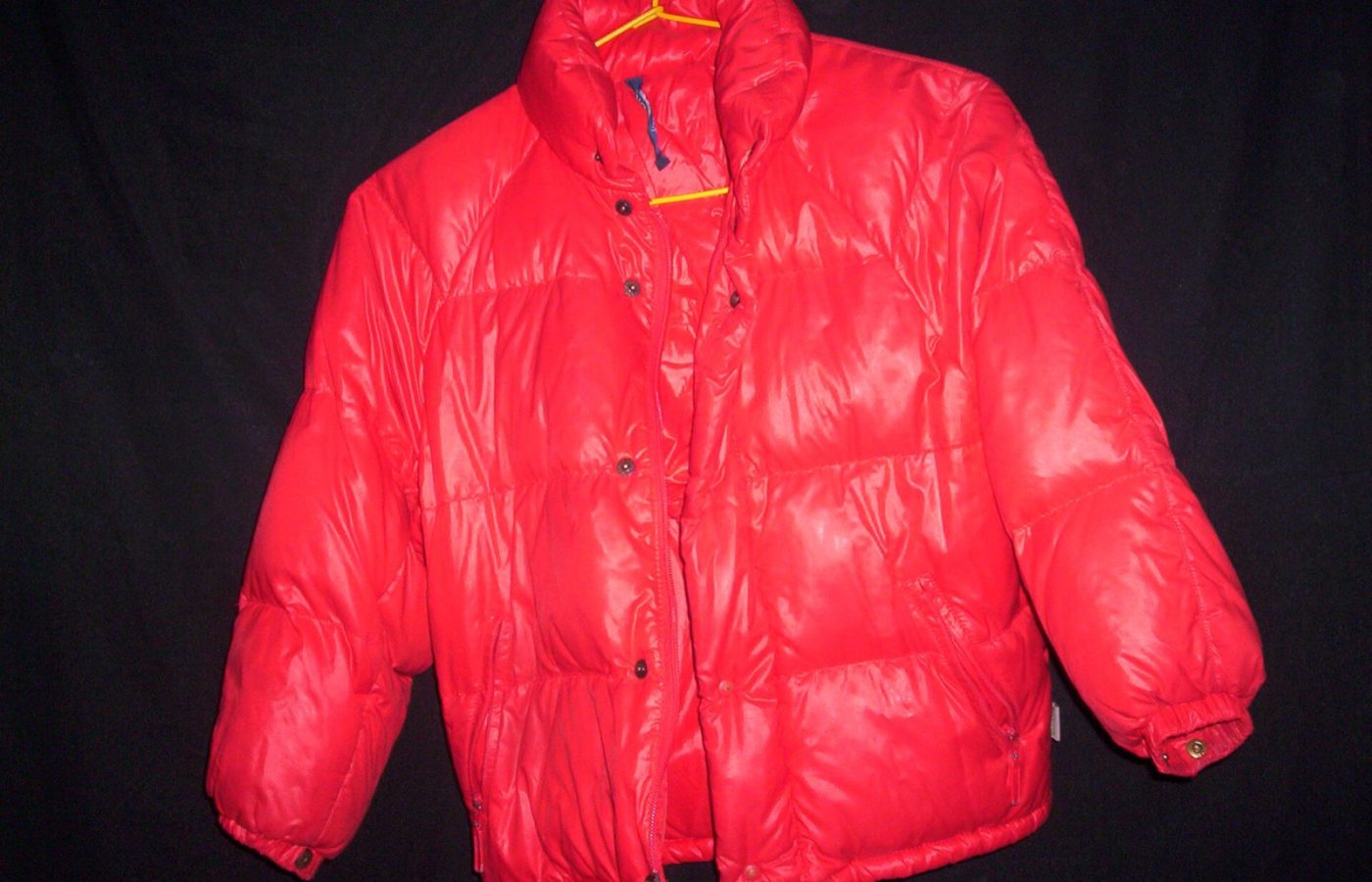
An insulated jacket works by trapping still air close to the body. The two main ways of doing that are natural down and synthetic fibre fill. Each has strengths, and the right choice depends on the climate you live in and how you plan to use the jacket.
Down insulation
Down is the soft undercoat found beneath the outer feathers of ducks and geese. Its clusters loft up to trap air very efficiently, which gives down an excellent warmth-to-weight ratio and allows jackets to compress into small spaces.
Quality is commonly described by fill power, which measures how much space one ounce of down occupies. Figures around 550 to 650 are typical of everyday jackets, while 800 and above indicates premium, highly compressible down. Fill power describes quality; the total amount of down (fill weight) determines how warm a particular jacket will be.
The main drawback of down is moisture. When it gets wet, clusters collapse and lose much of their insulating ability. Water-resistant treated down and weatherproof shell fabrics reduce this problem but do not remove it completely.
Synthetic insulation
Synthetic insulation is made from polyester fibres engineered to mimic the loft of down. It is usually heavier and bulkier for the same warmth, but it keeps a larger share of its insulating ability when damp and dries more quickly. Synthetic jackets are generally less expensive and are easy to wash at home.
Ethical sourcing
If you choose down, look for certifications such as the Responsible Down Standard (RDS) or similar traceability schemes, which aim to ensure that birds are not live-plucked or force-fed.
Which should you choose?
- Cold, dry climates and travel: down offers the most warmth for the least weight and space.
- Wet, mild climates: synthetic insulation is more forgiving in drizzle and damp air.
- Active use: many people prefer a light synthetic layer that breathes well and copes with sweat.
Care tips
Wash down jackets with a dedicated down cleaner and dry them on low heat with clean tennis or dryer balls to break up clumps. Store both types uncompressed, on a hanger, to preserve their loft.