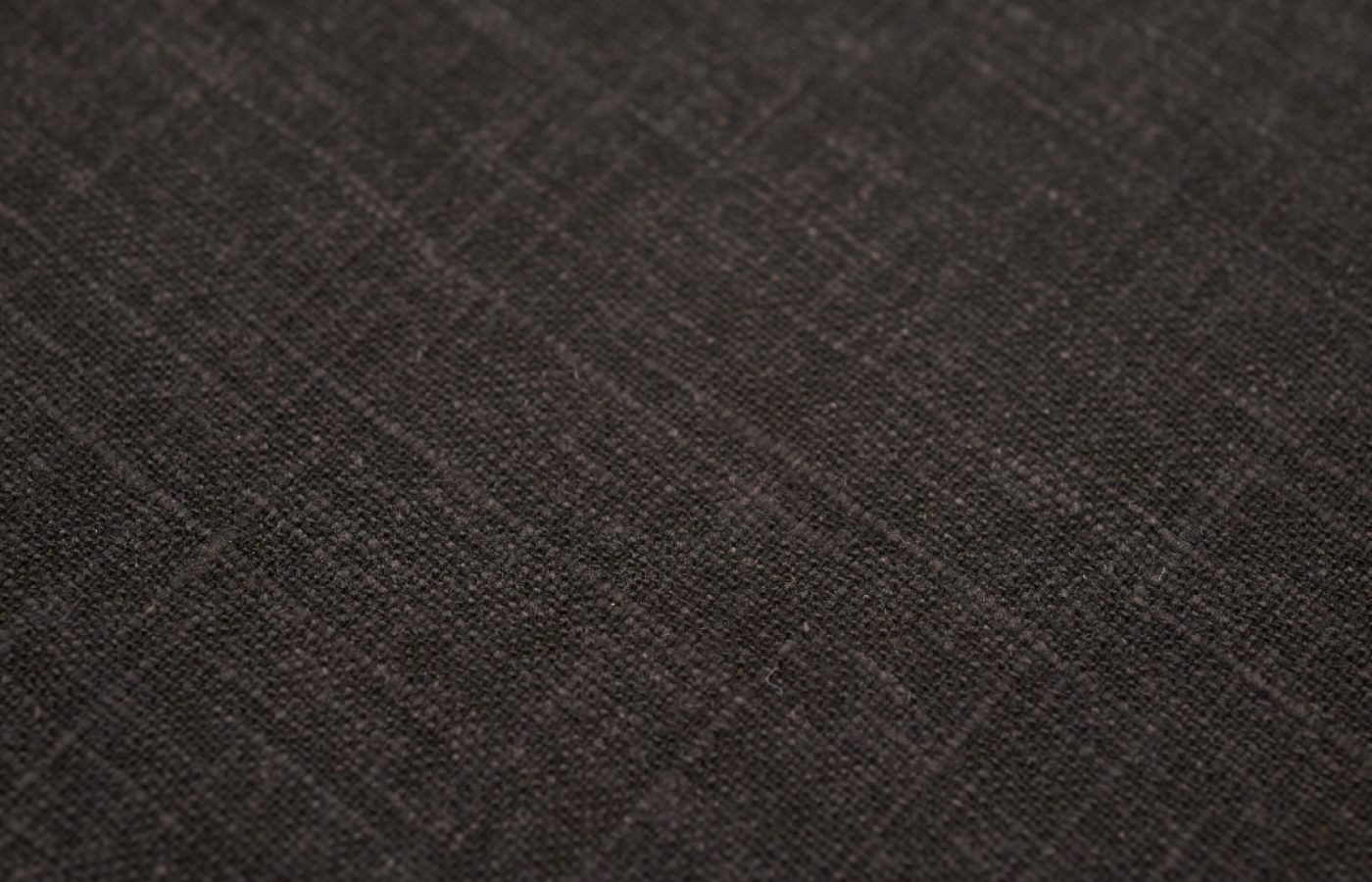
Linen is woven from the fibres of the flax plant and is one of the oldest textiles in use. It has remained popular for summer clothing because it feels cool, dries quickly and becomes softer with every wash.
Why linen feels cool
Flax fibres are long and relatively thick, and linen fabric is usually woven with a slightly open structure. This lets air move through the cloth and helps heat escape. Linen also absorbs moisture readily and releases it quickly, so it does not cling to the skin in the way some synthetic fabrics can.
The wrinkle question
Linen creases easily, and that is part of its character. If you prefer a crisper look, consider a linen and cotton blend, which wrinkles less while keeping much of the breathability. Pure linen suits relaxed, casual styling where a lived-in texture is welcome.
What to look for
- Fabric weight: lighter linens are airy and slightly translucent; mid-weight linens drape better and are more opaque.
- Pre-washed or garment-washed: these shirts feel softer straight away and are less likely to shrink.
- Fit: a slightly relaxed cut allows air to circulate and looks natural with the fabric’s texture.
- Origin of flax: European flax is widely regarded for its quality, and some products carry the European Flax certification.
Caring for linen
Wash linen on a gentle cycle in cool or lukewarm water, and avoid overloading the machine. Remove promptly and hang to dry; shaking out the garment helps reduce creases. If you iron linen, do so while it is still slightly damp, using a medium-high setting.
Environmental notes
Flax generally needs less irrigation than conventional cotton and can grow in poorer soils, which is one reason linen is often presented as a lower-impact fibre. As with any fabric, dyeing and finishing processes also matter, so certifications such as OEKO-TEX can offer additional reassurance.