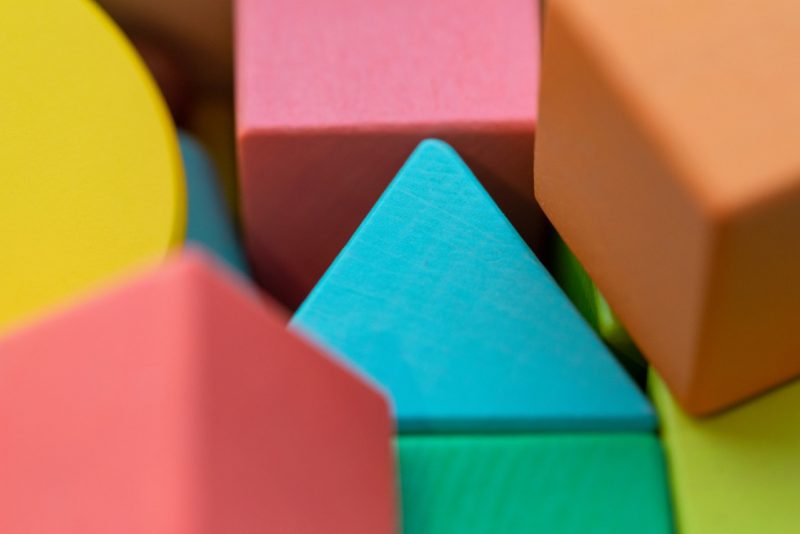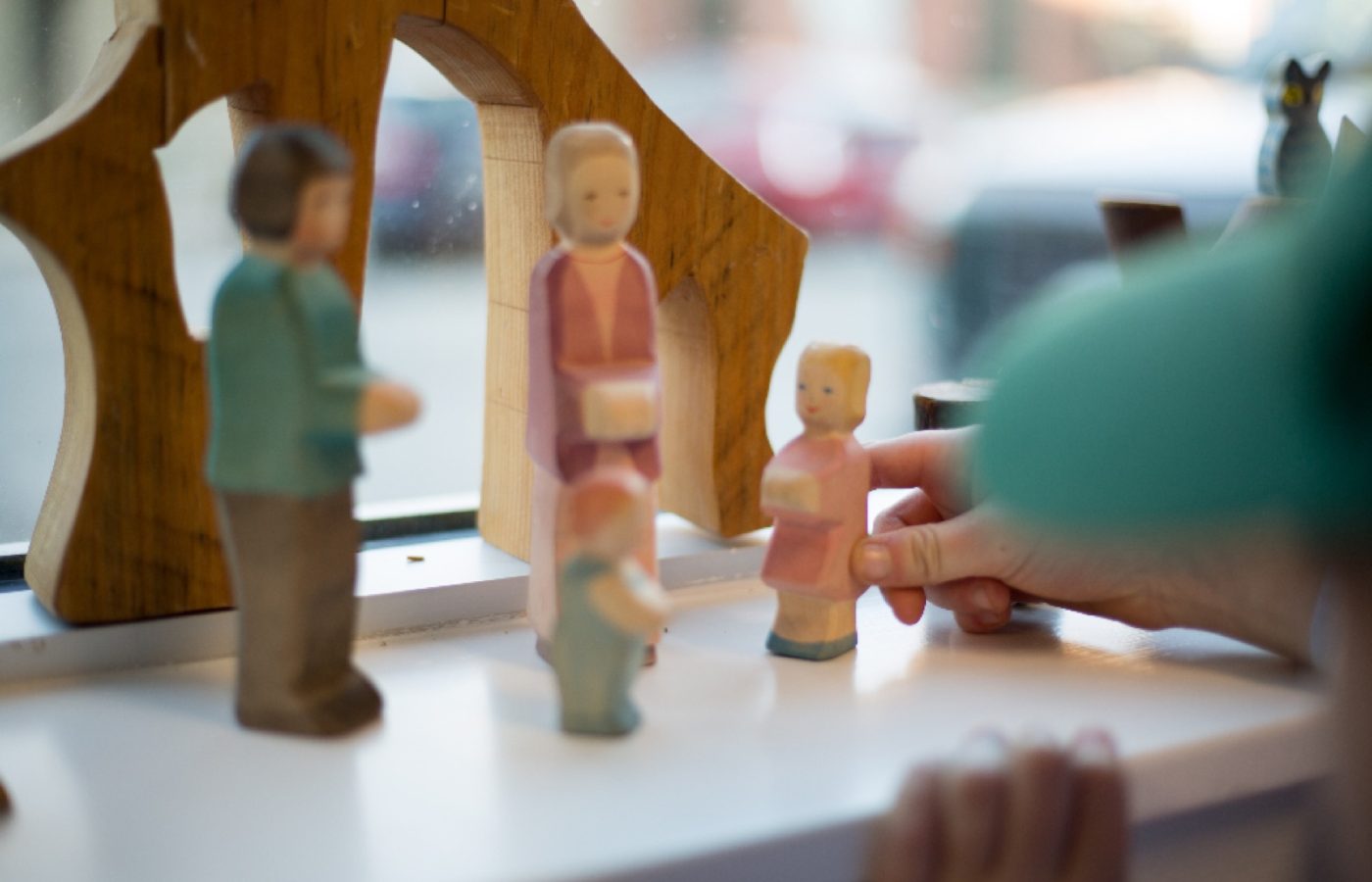
Few toys have lasted as long as a set of plain wooden blocks. They have no batteries, no screens and no single correct way to play, which is exactly why they remain popular with parents, teachers and children.
Open-ended play
Blocks are an open-ended toy: a child decides what they become. One day they are a tower, the next a road, a zoo or a castle. This kind of play encourages imagination and lets the toy grow with the child from toddlerhood into the early school years.
Skills they support
- Fine motor skills: grasping, placing and balancing blocks builds hand control.
- Early maths and spatial thinking: children explore size, symmetry, counting and balance as they build.
- Problem solving: working out why a tower falls and how to make it stable is an early lesson in cause and effect.
- Social play: building together encourages sharing, planning and conversation.
What to look for
- Wood type: hardwoods such as maple or beech are dense and durable; lighter woods are easier for small hands but dent more easily.
- Finish: unfinished wood or child-safe, non-toxic paints and oils. Look for compliance with toy safety standards such as ASTM F963 in the US or EN 71 in Europe.
- Size: for children under three, every piece should be too large to be a choking hazard.
- Unit system: sets based on a consistent unit size, where larger blocks are multiples of smaller ones, make stable building easier and can be expanded over time.
- Edges: smooth, well-sanded edges with no splinters.
Care
Wipe blocks with a damp cloth and mild soap rather than soaking them, as water can cause wood to swell or crack. Let them dry fully before storing. A sturdy bin or crate makes tidying up part of the game.