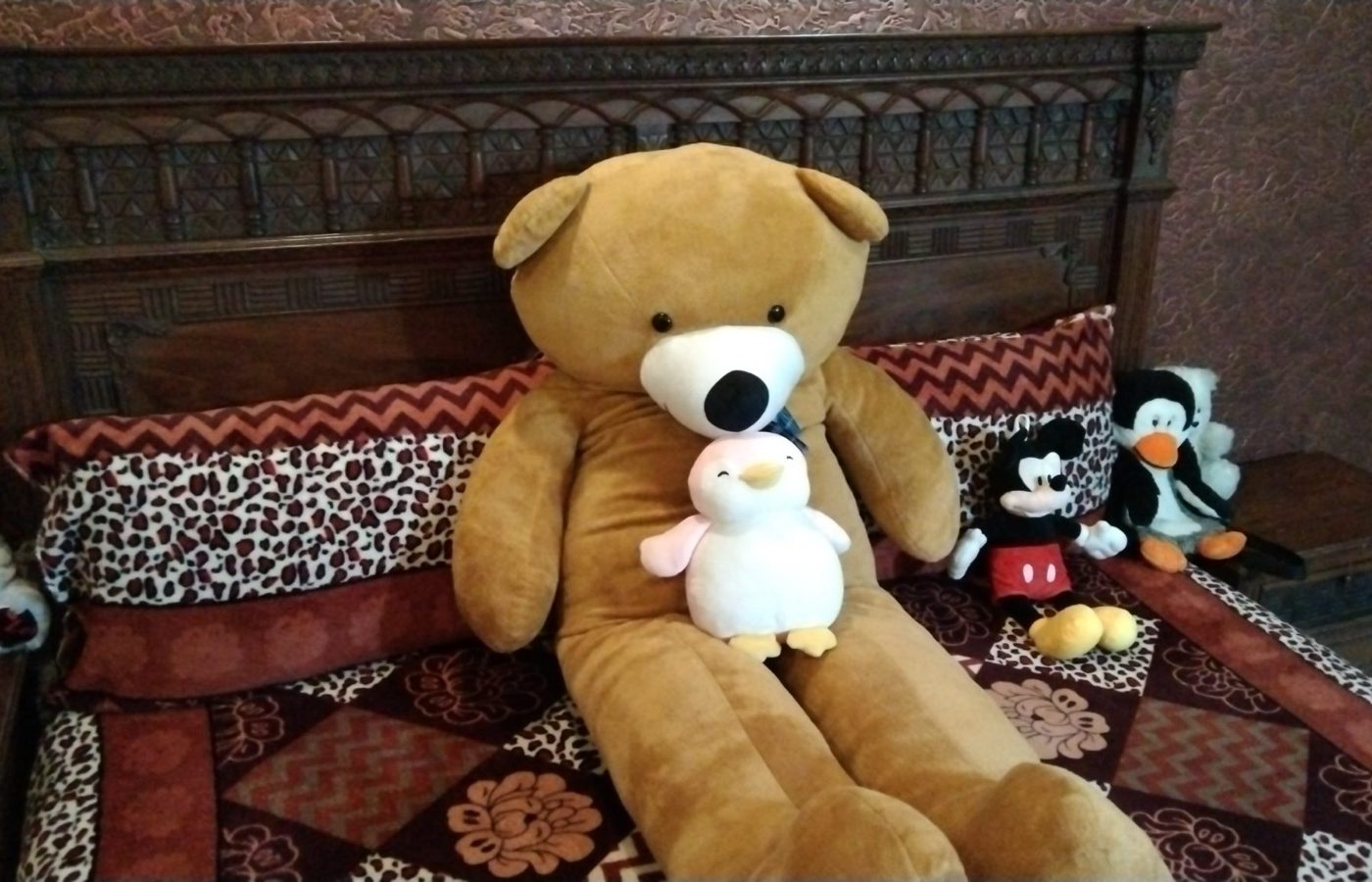
Soft toys are often a child’s first favourite object. Because they are hugged, chewed and carried everywhere, the materials and construction matter more than they might first appear.
Common materials
- Polyester plush: the most common outer fabric; soft, durable and easy to wash.
- Organic cotton: chosen by families who prefer natural fibres; look for GOTS certification.
- Fillings: usually polyester fibrefill. Some toys add small bead pouches for weight, which should be fully enclosed in a separate inner bag.
Safety details for babies and toddlers
- Embroidered eyes and noses are safer than plastic parts that could be pulled off.
- Seams should be tight and double-stitched, with no loose threads.
- Avoid long ribbons, cords or detachable accessories for very young children.
- Check the age label: many plush toys are suitable from birth, but some decorative or collectable pieces are not.
- Safe sleep guidance generally recommends keeping soft toys out of an infant’s sleep space during the first year.
Cleaning
Read the care label first. Many plush toys can be machine washed on a gentle cycle in a laundry bag or pillowcase, using mild detergent and cool water. Air dry thoroughly, or tumble dry on low if the label allows, to prevent damp filling from developing odours. Toys with electronics, music boxes or glued parts should be surface cleaned only.
Keeping a favourite going
Many families buy a duplicate of a much-loved toy so one can be washed while the other is in use. Small repairs to seams are easy with a needle and thread and can add years of life to a cherished companion.